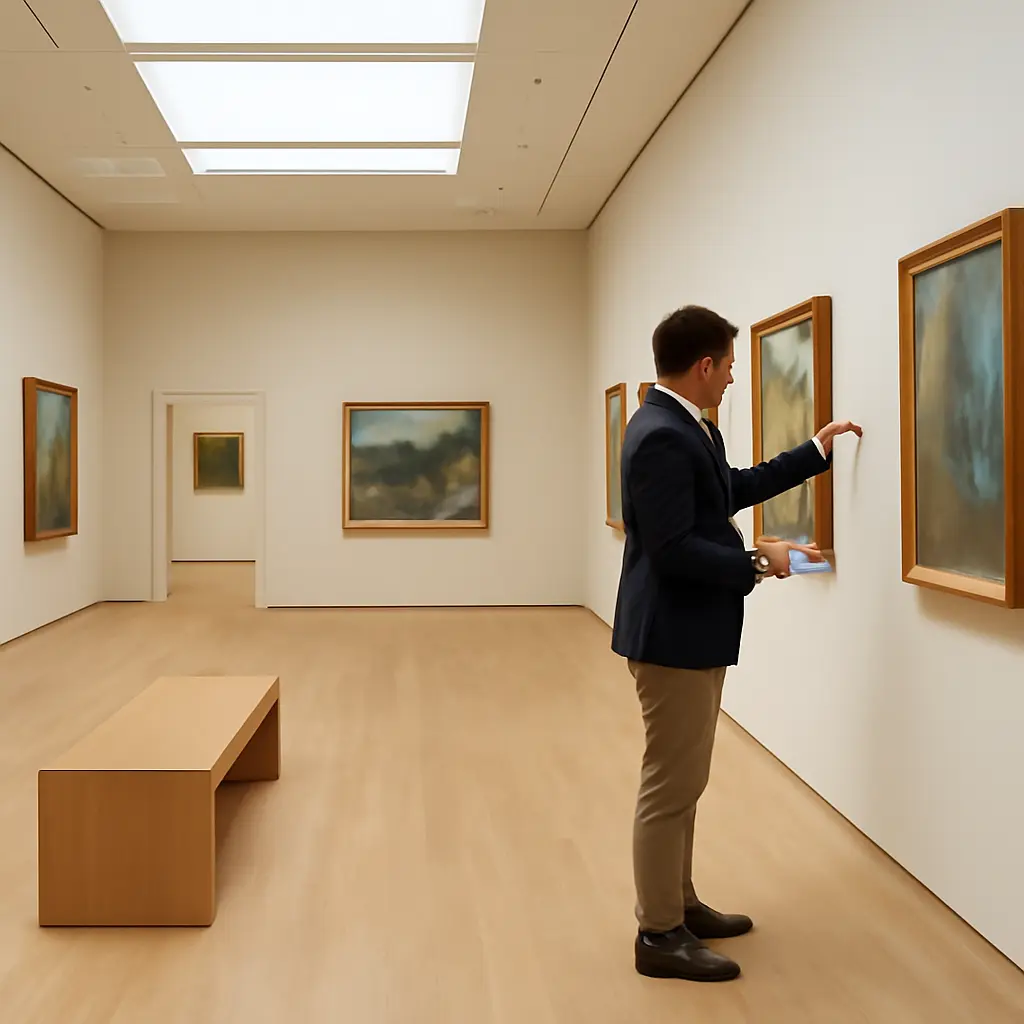
Beginner’s Guide to Creating Galleries That Flow Naturally
A gallery that flows naturally guides visitors from one artwork, object, or display to the next without confusion or fatigue. The key is to plan a clear route, group works…
A gallery that flows naturally guides visitors from one artwork, object, or display to the next without confusion or fatigue. The key is to plan a clear route, group works…
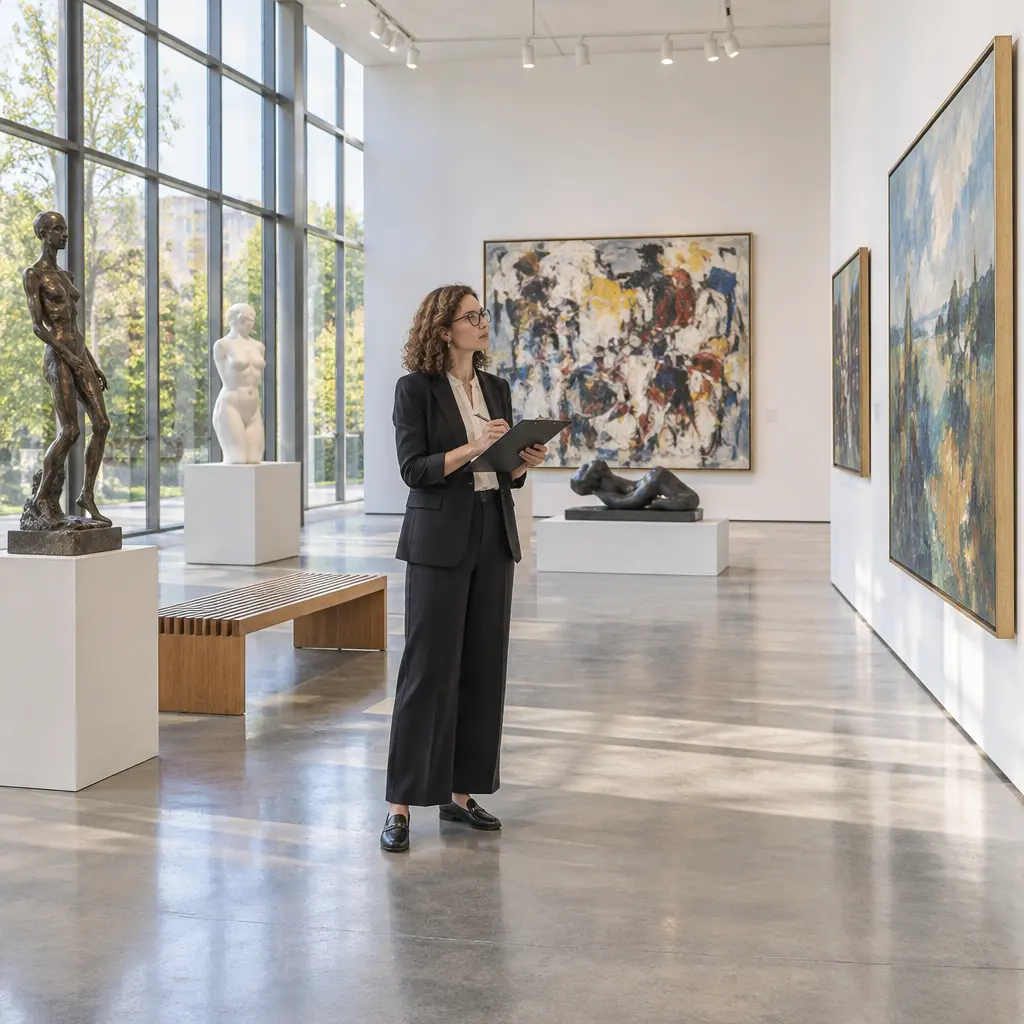
An art gallery’s selection process is the set of decisions through which its curators and directors choose, interpret, and present artworks to the public. Galleries balance artistic quality, institutional mission,…
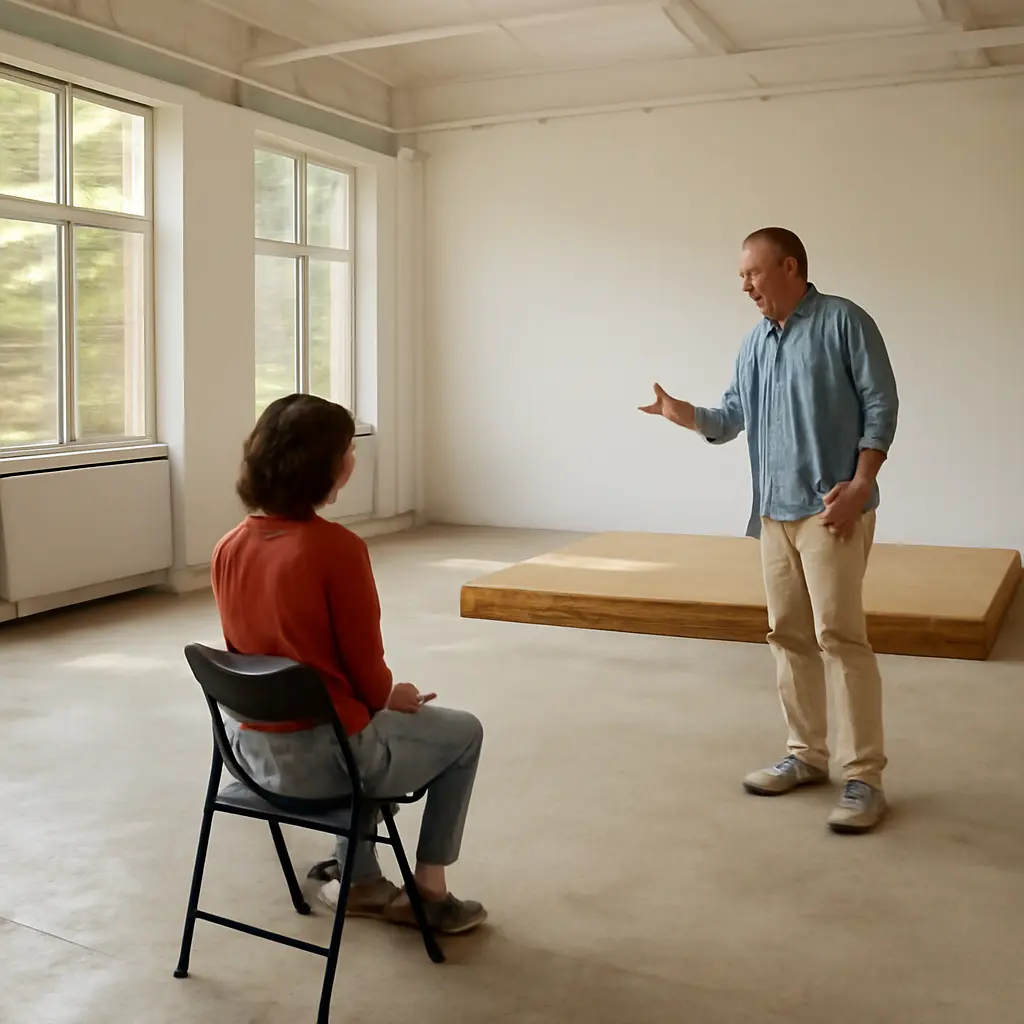
Performance art is live work in which artists use their bodies, actions, time, and presence as central materials. For venues, that means the essential resource is not an object to…
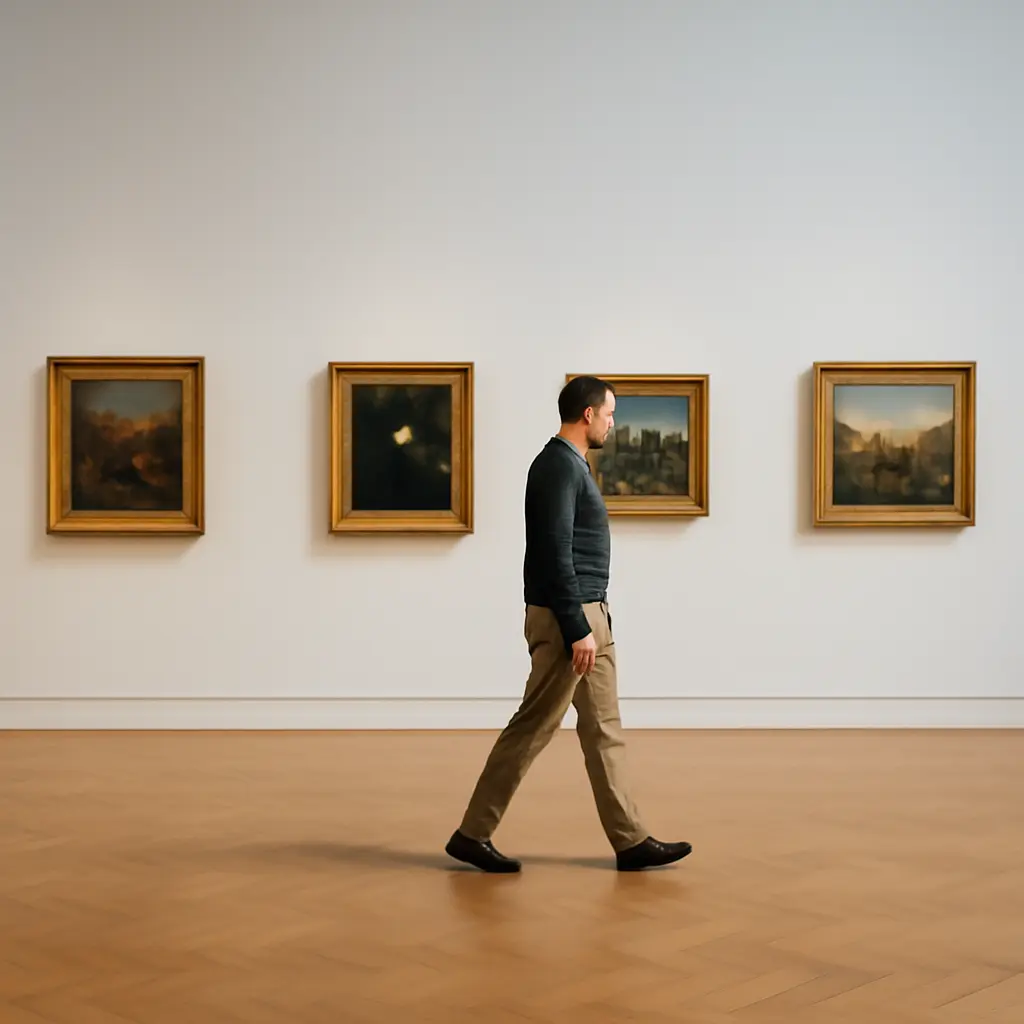
Walking through a museum is the act of moving through galleries and shared spaces while viewing collections, and it comes with quiet conventions that help protect objects and make visits…
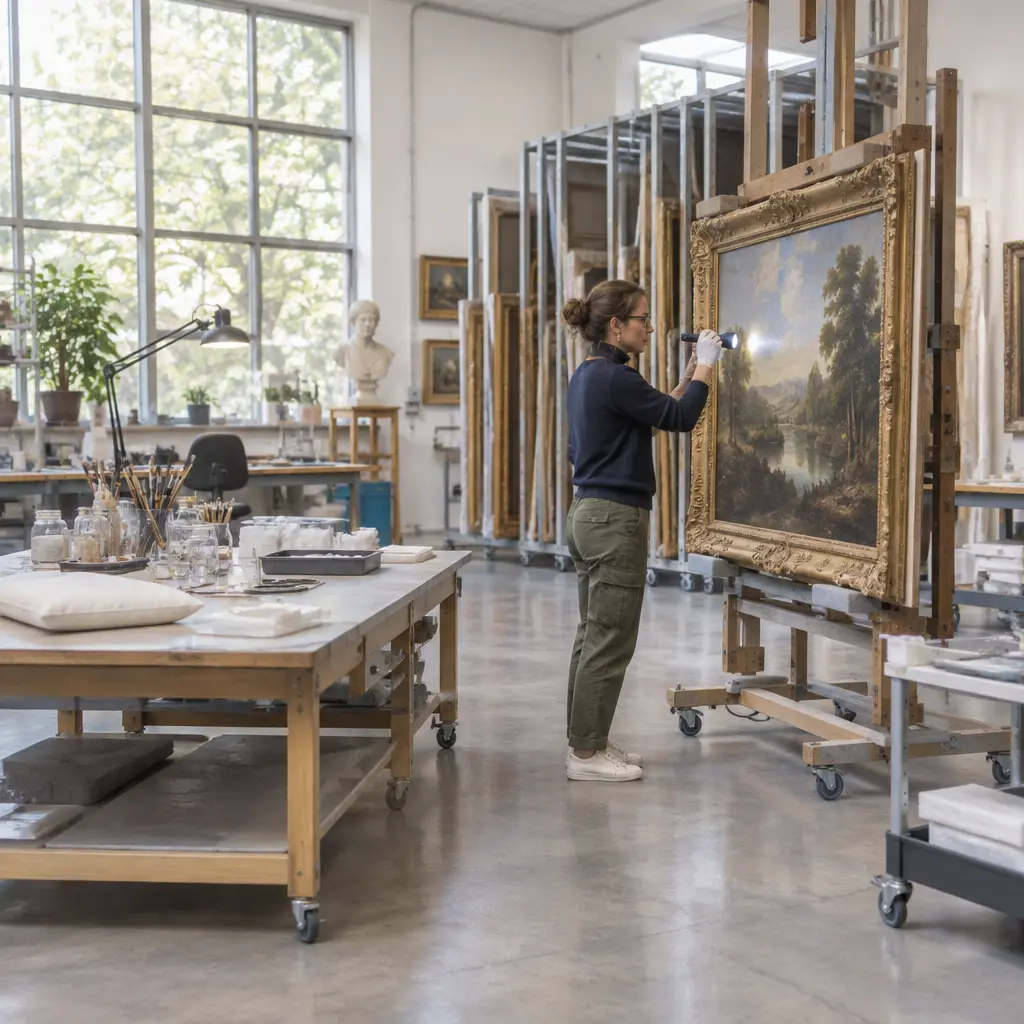
Museums preserve art by controlling the conditions around it, documenting its history, and treating damage with methods designed to protect—not erase—the object’s original materials. The International Council of Museums describes…
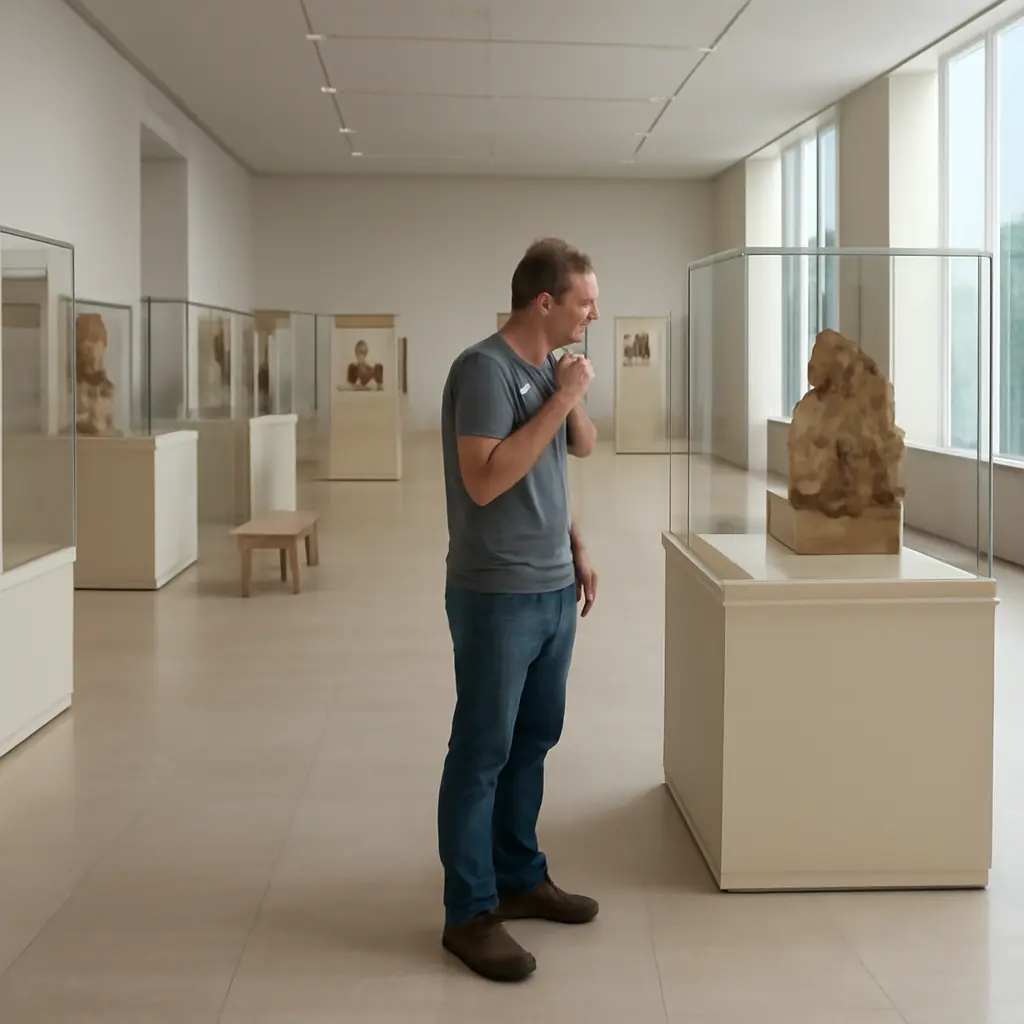
A museum visitor is often imagined as an able-bodied adult who can see, hear, read, move through galleries, and comfortably engage with exhibits. Yet visitors with disabilities—and the people who…
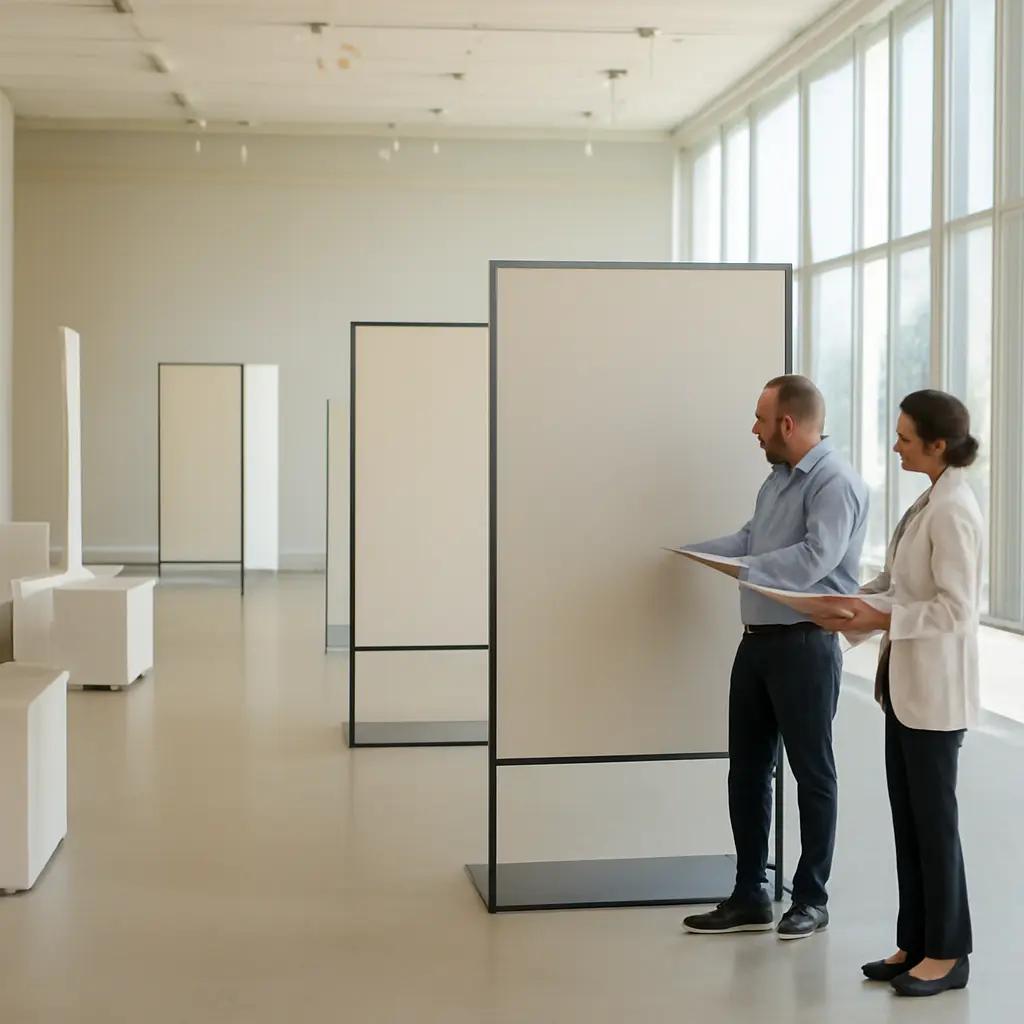
Curatorial sustainability—the practice of making exhibitions, collections, and cultural institutions environmentally and socially responsible—has become a visible marker of professional distinction. For curators, it signals more than environmental concern: it…
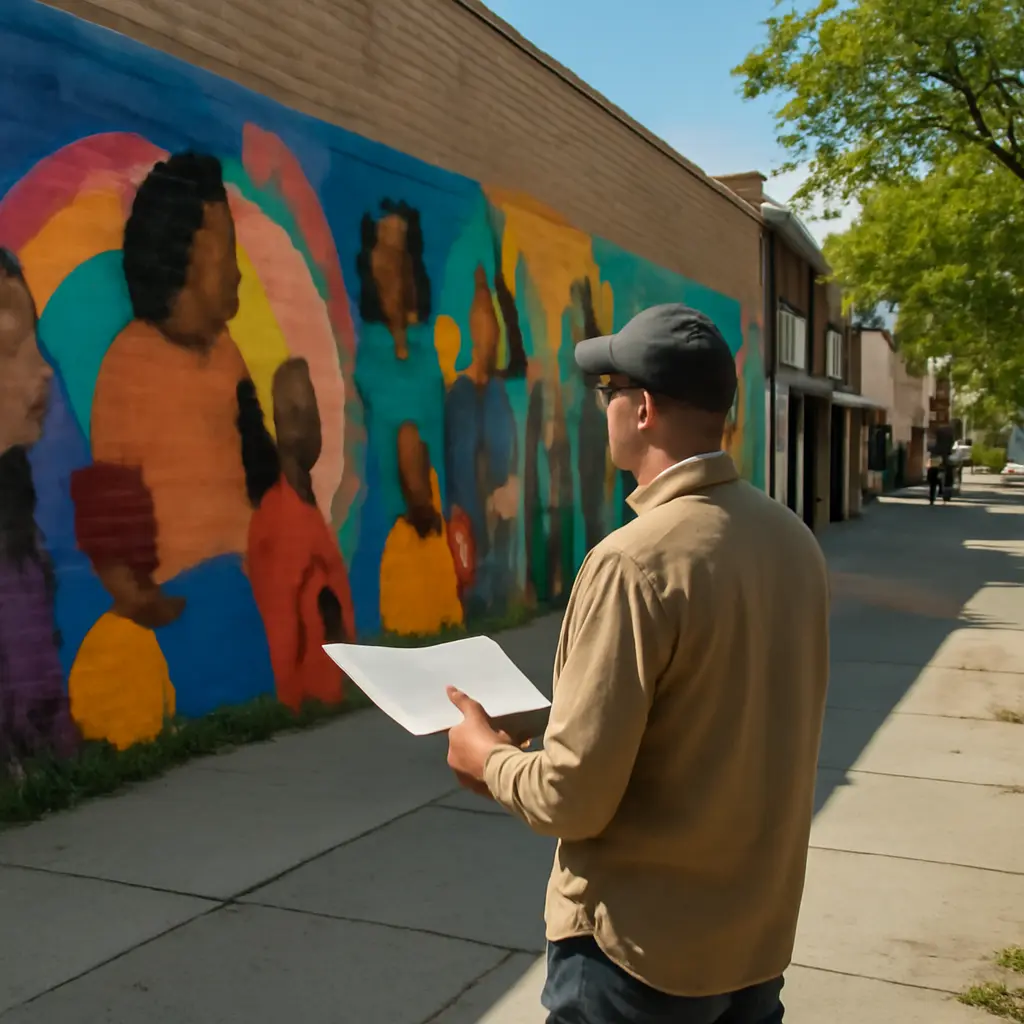
Forgotten geographies are places whose histories and communities have been obscured by neglect, displacement, redevelopment, or dominant public narratives. Artists restore memory to these locations through murals, monuments, archival projects,…
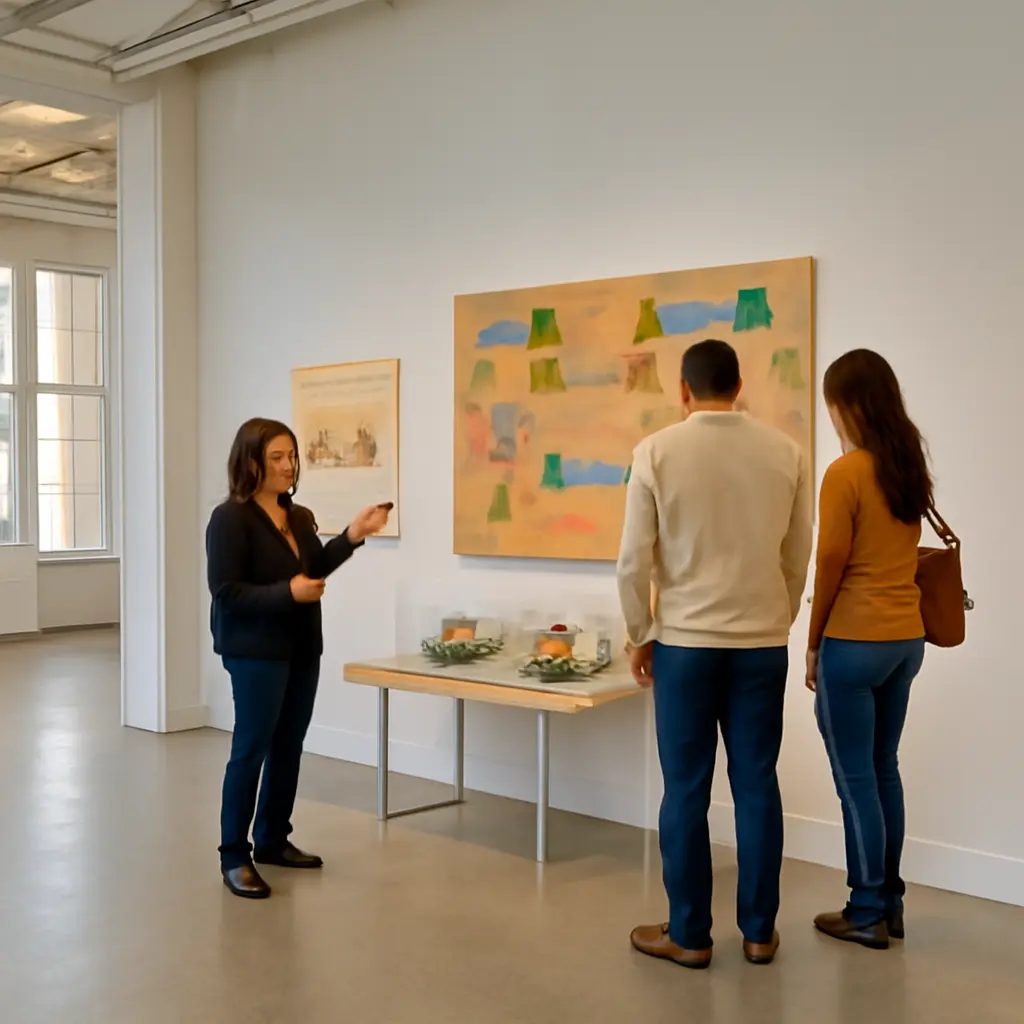
Community-led museum outreach is the work of building museum programs with, rather than merely for, the people they aim to serve. Its quiet power lies in relationships: local partners help…
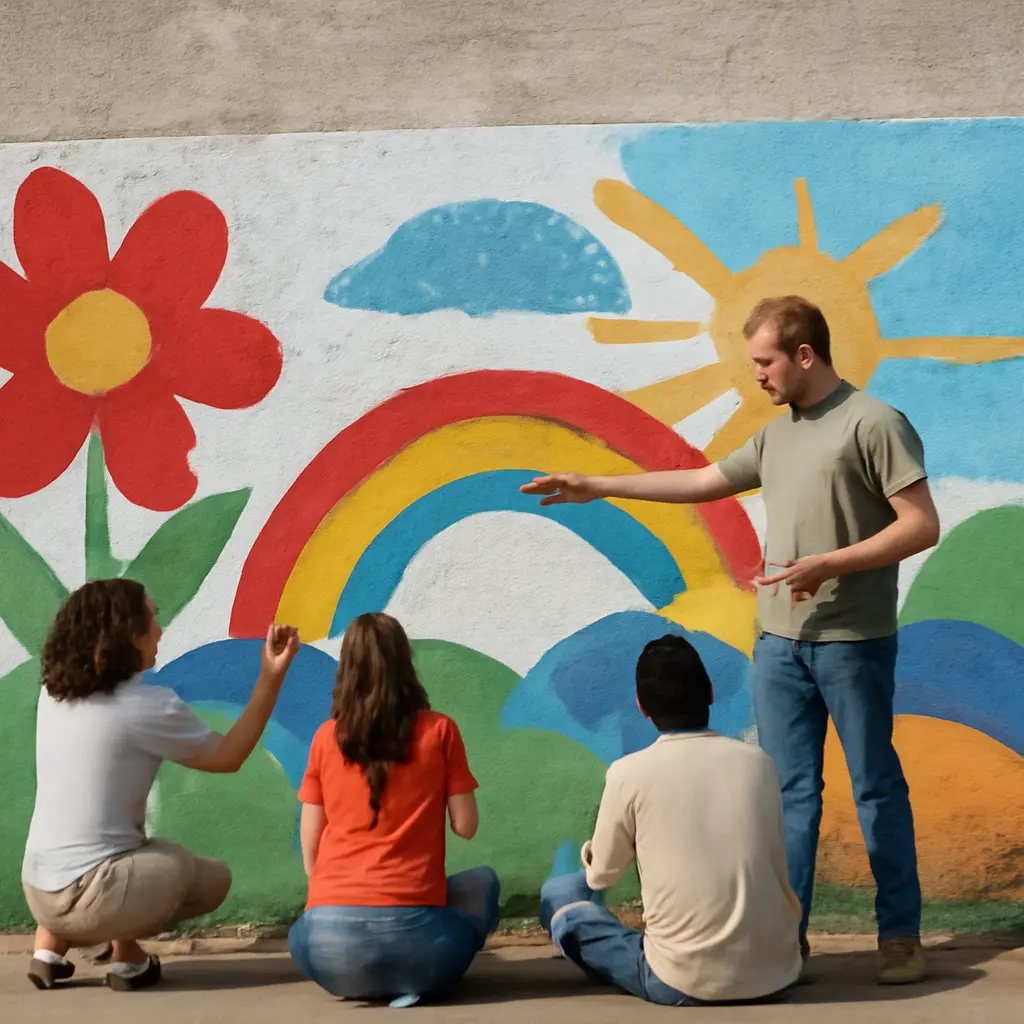
Street art workshops—guided, hands-on sessions where people create visual art in public or community settings—may help participants begin experimenting sooner than conventional, instructor-led art classes. Their emphasis on making, collaboration,…