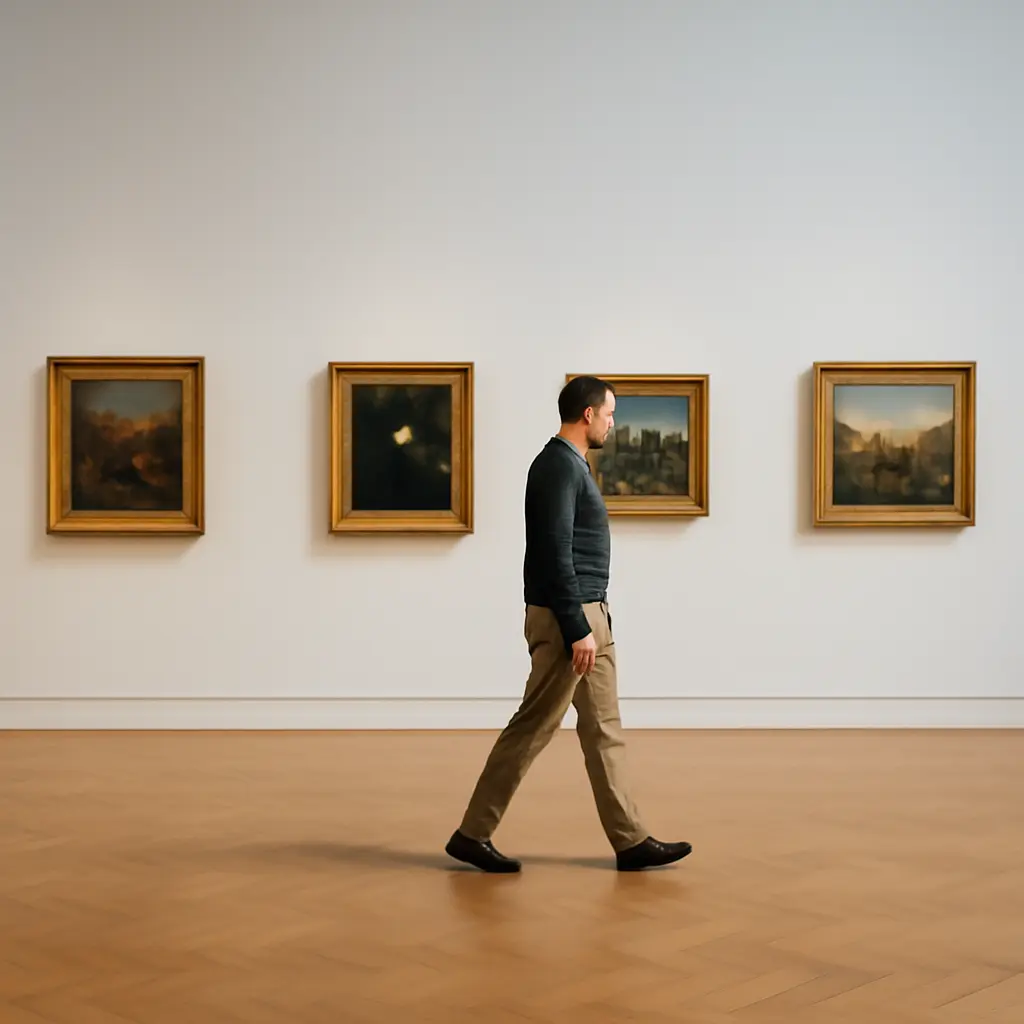
Walking through a museum is the act of moving through galleries and shared spaces while viewing collections, and it comes with quiet conventions that help protect objects and make visits better for everyone. These unspoken rules are not universal laws: they are practical habits shaped by conservation, accessibility, visitor comfort, and each institution’s posted policies. Keeping a respectful distance from artworks, making room for others, following photography and food rules, and taking breaks all matter in busy cultural spaces. The scale is substantial: the American Alliance of Museums estimates that U.S. museums receive about 850 million visits annually, making thoughtful visitor behavior relevant to both preservation and public access.
Museum Etiquette and Shared-Space Conduct
Museum etiquette means the set of formal rules and informal behaviors that allow people to experience exhibitions while reducing risks to collections and avoiding unnecessary disruption. The Smithsonian Institution’s visitor guidance, for example, emphasizes keeping a safe distance from objects, not touching works unless an exhibition explicitly invites it, and following staff instructions. The exact rules vary by venue, collection, and installation, so posted signs and staff directions take precedence over general advice.
Give artworks and displays room
A respectful viewing distance helps prevent accidental contact with paintings, sculptures, display cases, and barriers. Touching can transfer oils, salts, or dirt, while a bag or sleeve can strike an object when someone turns or steps backward. Conservation guidance from institutions such as the Smithsonian makes clear that even well-intended contact can create damage. Look for floor markings and barriers, and avoid leaning on walls, cases, plinths, or frames.
Share sightlines and pathways
A gallery is both an exhibition space and a circulation route. If you want to study a work for a long time, step aside when possible so others can approach; avoid stopping abruptly in a doorway or narrow passage. In a group, gather away from entrances and high-traffic points. These small adjustments reduce bottlenecks and help visitors who use wheelchairs, mobility aids, or strollers move through the gallery.
Keep voices and devices considerate
Quiet conversation supports concentration without requiring every museum to be silent. Speak at a level that does not carry across the room, silence phone alerts, and take calls in designated areas or outside galleries. Families and school groups are welcome in many museums, but the same principle applies: help children engage with the space while keeping pathways clear and respecting other visitors’ ability to focus.
Museum Access and Visitor Comfort
Access is part of good museum conduct, not an optional courtesy. The Americans with Disabilities Act sets accessibility requirements for many public accommodations, while museums may also provide seating, accessible routes, assistive listening, captioning, sensory resources, or other accommodations. A 2022 Institute of Museum and Library Services report describes museums as important educational and community institutions, but access depends on more than admission: navigation, rest, sensory conditions, and clear visitor information also shape who can participate.
Make room for different ways of visiting
Visitors may need extra time, a quieter route, a place to sit, or space to view an object from a particular position. Do not block ramps, elevators, benches, tactile elements, or caption displays. If someone is using an access feature, avoid treating it as a convenient place to park a bag or hold a conversation. When uncertain about access arrangements, ask staff rather than making assumptions about another visitor’s needs.
Plan for fatigue and sensory overload
Museum fatigue is the mental and physical tiredness that can build during a visit involving prolonged standing, walking, reading, and decision-making. A 2019 review in the journal Visitor Studies discusses how visitor experience is influenced by factors such as time, attention, and the physical environment. There is no single ideal pace or visit length: take breaks, use available seating, and choose a few galleries rather than trying to see everything at once. Many museums publish sensory maps or quiet-space information for visitors who benefit from lower-stimulation options.
Museum Photography, Bags, and Food Rules
Practical rules for cameras, belongings, and refreshments vary because museums manage different kinds of collections, spaces, and visitor risks. A photograph allowed in one gallery may be prohibited in another because of copyright, lender agreements, light sensitivity, or visitor congestion. Check signs before taking pictures, and follow staff directions even when another visitor appears to be doing something different.
Photograph without obstructing others
When photography is permitted, disable flash unless the museum explicitly allows it, avoid tripods or selfie sticks where restricted, and do not hold up a crowded gallery to stage a shot. Flash restrictions are commonly used to protect sensitive materials and maintain a comfortable environment, though rules differ by object and institution. The Metropolitan Museum of Art, for instance, publishes photography guidance that distinguishes ordinary personal photography from restrictions in particular spaces and exhibitions.
Manage bags and coats thoughtfully
Large backpacks, umbrellas, and bulky coats can bump objects or other visitors, especially in crowded rooms. Many museums ask visitors to carry backpacks at their sides or check oversized items; some do not accept certain belongings at the coatroom. Follow the museum’s current instructions rather than assuming every venue has the same policy. Keep essential items close and never leave a bag unattended.
Eat and drink only where allowed
Food and drink are usually limited to cafés, restaurants, or designated areas because spills and crumbs can attract pests and harm collections. Water rules may differ, particularly in galleries with sensitive objects or special exhibitions. Finish snacks before entering restricted spaces and use the museum’s posted signs as the authority. If you need food, medication, or water for a health reason, contact staff about the safest accommodation.
Museum Learning and Respectful Engagement
A museum visit is not simply a test of how many objects someone can see; it is an opportunity to interpret, question, and learn. The International Council of Museums’ 2022 definition describes museums as institutions that research, collect, conserve, interpret, and exhibit tangible and intangible heritage, while making them accessible and inclusive. That mission depends on both institutional practice and visitors’ willingness to engage respectfully with collections and one another.
Read labels selectively and look closely
Exhibition labels provide context, but visitors do not need to read every word to have a meaningful experience. Choose a few works that draw your attention, observe their details, then use labels or audio guides to deepen your understanding. If others are waiting to read a label, step aside after a reasonable time and return later. This approach balances personal attention with shared access.
Respect cultural context
Objects may have religious, ceremonial, contested, or painful histories. Avoid treating culturally significant material as a prop for jokes or careless staging, and pay attention to interpretive text explaining community perspectives or restrictions. Museums increasingly work with source communities on interpretation and care; visitors can support that work by listening, asking thoughtful questions, and recognizing that not every object is simply decorative or detached from living traditions.
Follow staff guidance and posted policies
Gallery attendants and visitor-services staff help protect collections and keep the experience safe and accessible. Their instructions may address a temporary installation, crowd conditions, an emergency, or a rule that is not obvious from the entrance. If a policy is unclear, ask calmly. Rules are most useful when visitors understand that they are designed around a specific space, object, or shared need.
Conclusion: Walk Slowly, Share Space, and Stay Curious
The unspoken rules of museum walking are simple in principle: protect objects by keeping a safe distance, share sightlines and pathways, respect access needs, and follow local policies on photography, bags, and food. Just as importantly, pace the visit to suit your attention, approach cultural material with care, and ask staff when guidance is uncertain. With hundreds of millions of U.S. museum visits each year, considerate habits help preserve collections while making museums more welcoming. Before your next visit, check the institution’s visitor information, plan a comfortable route, and leave room for other people to discover the exhibits too.
Sources: American Alliance of Museums, “Museum Facts,” https://www.aam-us.org/programs/about-museums/museum-facts/; Smithsonian Institution, “Frequently Asked Questions,” https://www.si.edu/visit/faq; Americans with Disabilities Act, “Requirements for Physical Accessibility,” https://www.ada.gov/topics/title-iii/; Institute of Museum and Library Services, “Museums, Libraries, and Archives: Connecting People to Knowledge and Community,” https://www.imls.gov/; Visitor Studies, “Museum Fatigue: A Review of the Literature,” 2019; The Metropolitan Museum of Art, “Photography and Recording,” https://www.metmuseum.org/visit/faq; International Council of Museums, “Museum Definition,” 2022, https://icom.museum/en/resources/standards-guidelines/museum-definition/.